
The Guru Is Dead. Long Live the Guru.
“I am not a guru, you can make me one, but I do not want to be one” J. Krishnamurti once told his followers. From him to Baba Dyal Das, India has a long tradition of iconoclastic gurus who ended up creating their own cult-like following. This essay explores this anti-guru paradox.
Manisha Sarade
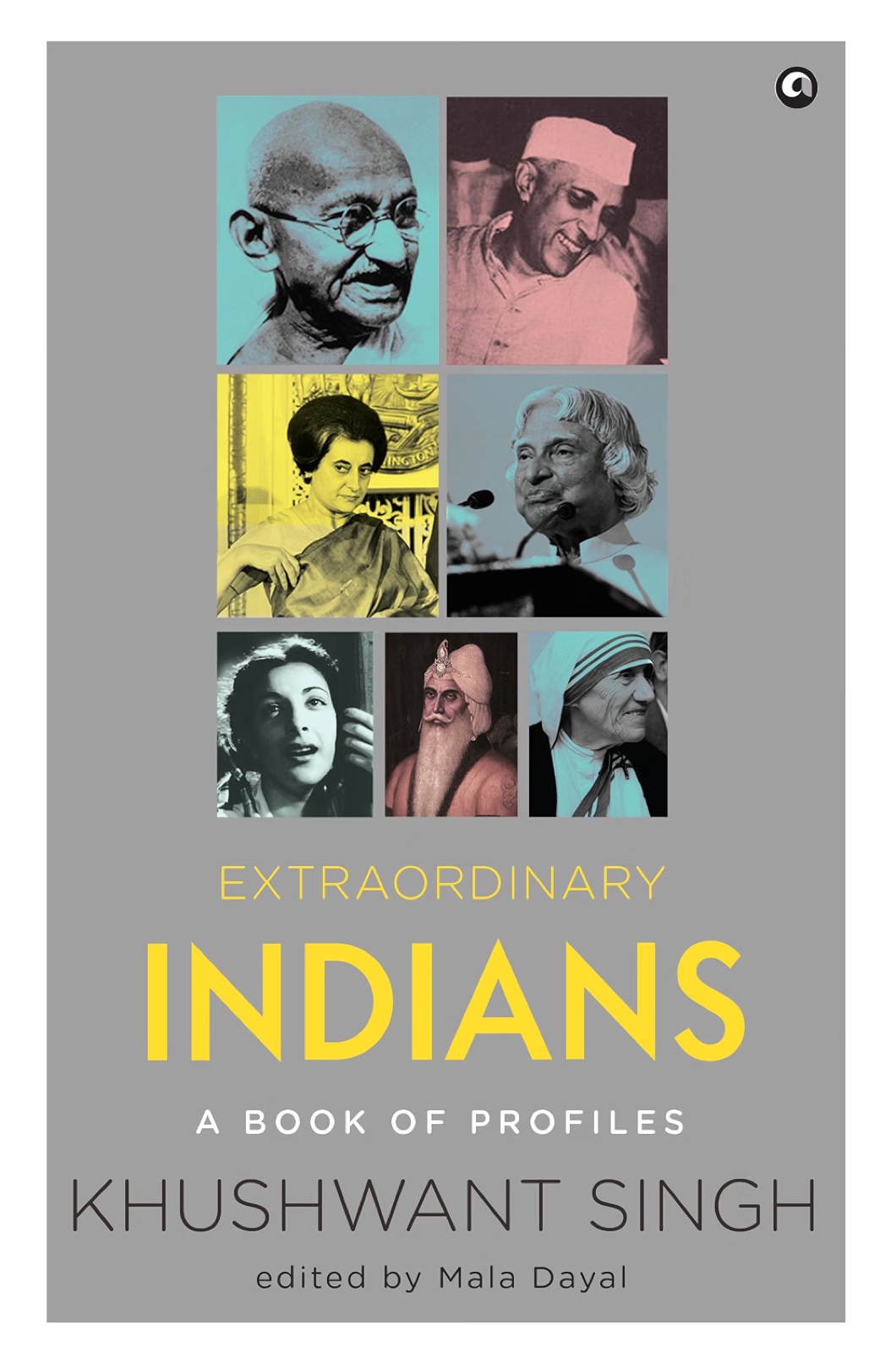
The iconoclastic Indian writer Khushwant Singh did not believe in miracles and was a rationalist to the core. He made his scepticism clear at the outset of his account of an early-1972 visit to a Bengali spiritual figure Amiya Roy Chowdhury, known as Dadaji among his believers. Writing about the episode in a posthumously published book “Extraordinary Indians: A book of profiles”, he described how Hindi and Bengali actor Abhi Bhattacharya had taken him to Dadaji’s apartment in Bandra, where half a dozen devotees were waiting to see him. When Dadaji entered the room, all six devotees rose to their feet, while one of them prostrated himself before him.1
Dadaji invited Khushwant Singh to sit beside him and asked whether he believed in God. The writer said that he didn’t. Dadaji then raised an empty hand, and a medallion appeared in his palm. Dadaji called the medallion a gift from Sri Satya Narayan, the divine presence he regarded as the only true guru. Khushwant Singh pointed out that it was Dadaji, not God, who had handed it to him. Dadaji was merely an instrument, he explained, before rubbing the medallion to reveal Singh’s name on the back, misspelt. If that was not enough to convince, he went on to produce a gold chain from an apparently empty hand.
Later, Khushwant Singh sat on the bedroom floor beside Dadaji’s bed, listening to him explain why there could be no human gurus. God resided within everyone, making each person his own guru. Before Singh left, Dadaji asked him to bow before an image of Sri Satya Narayan. He obliged but Dadaji’s miracles had failed to change his opinion of them.
Ironically, it was an odd place to insist that no human being could be a guru. Dadaji had asked Singh to bow before God, even as another devotee bent to touch his feet. The anti-guru paradox is visible in that juxtaposition: the rejection of guruhood coexists with behaviour that enables it in the first place.
Dadaji wasn’t alone in rejecting a position that others seemed determined to give him. But India’s anti-gurus disagreed about what they were rejecting. Dadaji denied human guruhood, though he did not deny the divine. Another equally, if not more, famous spiritual guru U.G. Krishnamurti questioned the very pursuit of enlightenment, while his contemporary Osho attacked religious orthodoxy and their blind followers without giving up his own disciples. It seems a stretch to put them all in the same category, though ‘anti-guru’ is a convenient label.
Anthropologists Jacob Copeman and Aya Ikegame call it the anti-guru paradox2 – the authority of the anti-guru lies in the paradox that his rejection of the authority may itself inspire discipleship. A disciple can appoint his own guru without obtaining permission. But the teacher is not entirely absent from this arrangement, however emphatically he says he wants no part in it. Authority is constituted by the follower’s act of appointment and the teacher’s continued presence.
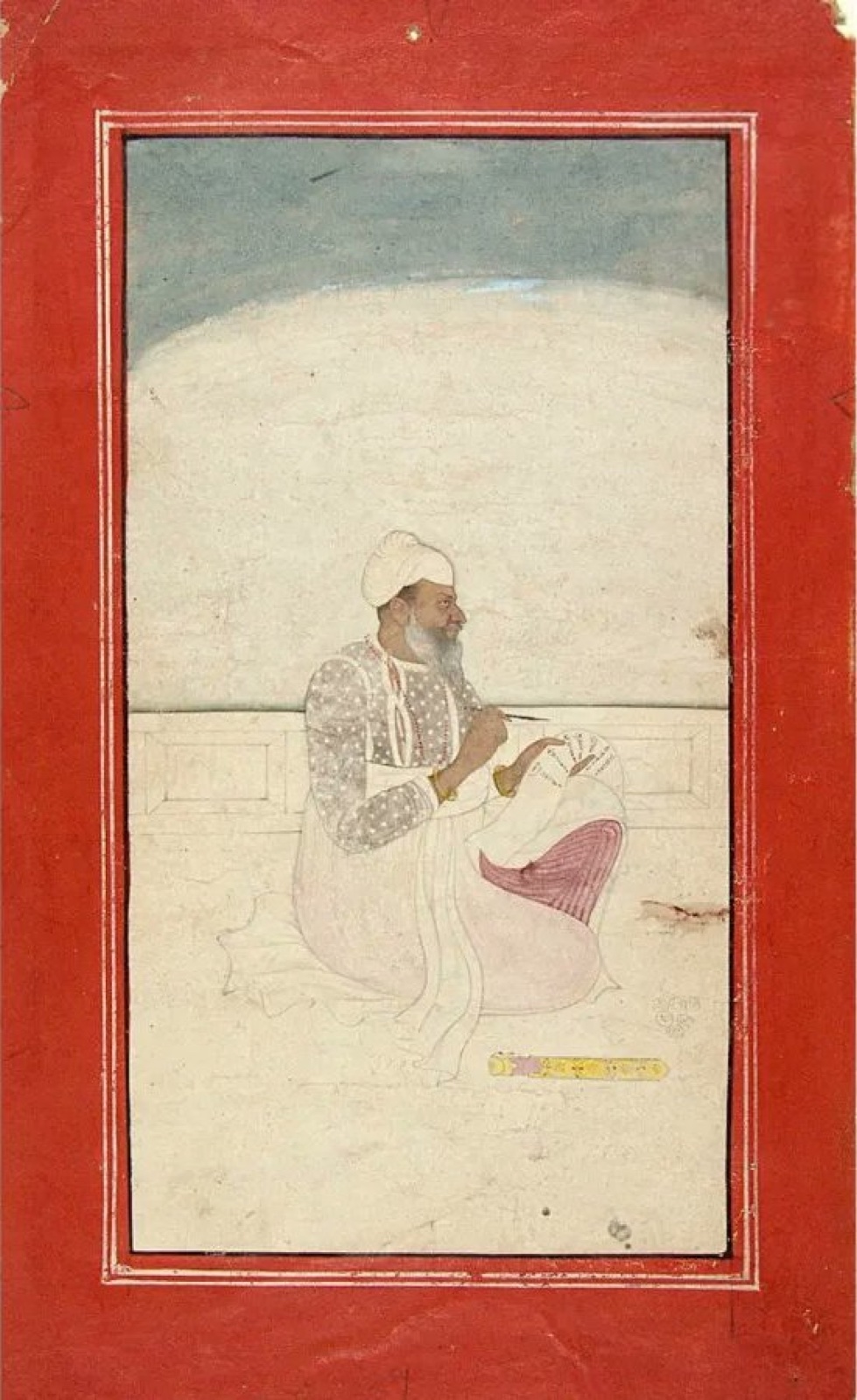
In nineteenth-century Punjab, Baba Dyal Das preached against image worship and the renewed veneration of living gurus. Yet his Nirankari followers came to treat him as a guru, and a succession developed after his death.3 Perhaps they did not see themselves as disobeying him. After all, it was from him that they had learned to distrust living gurus.
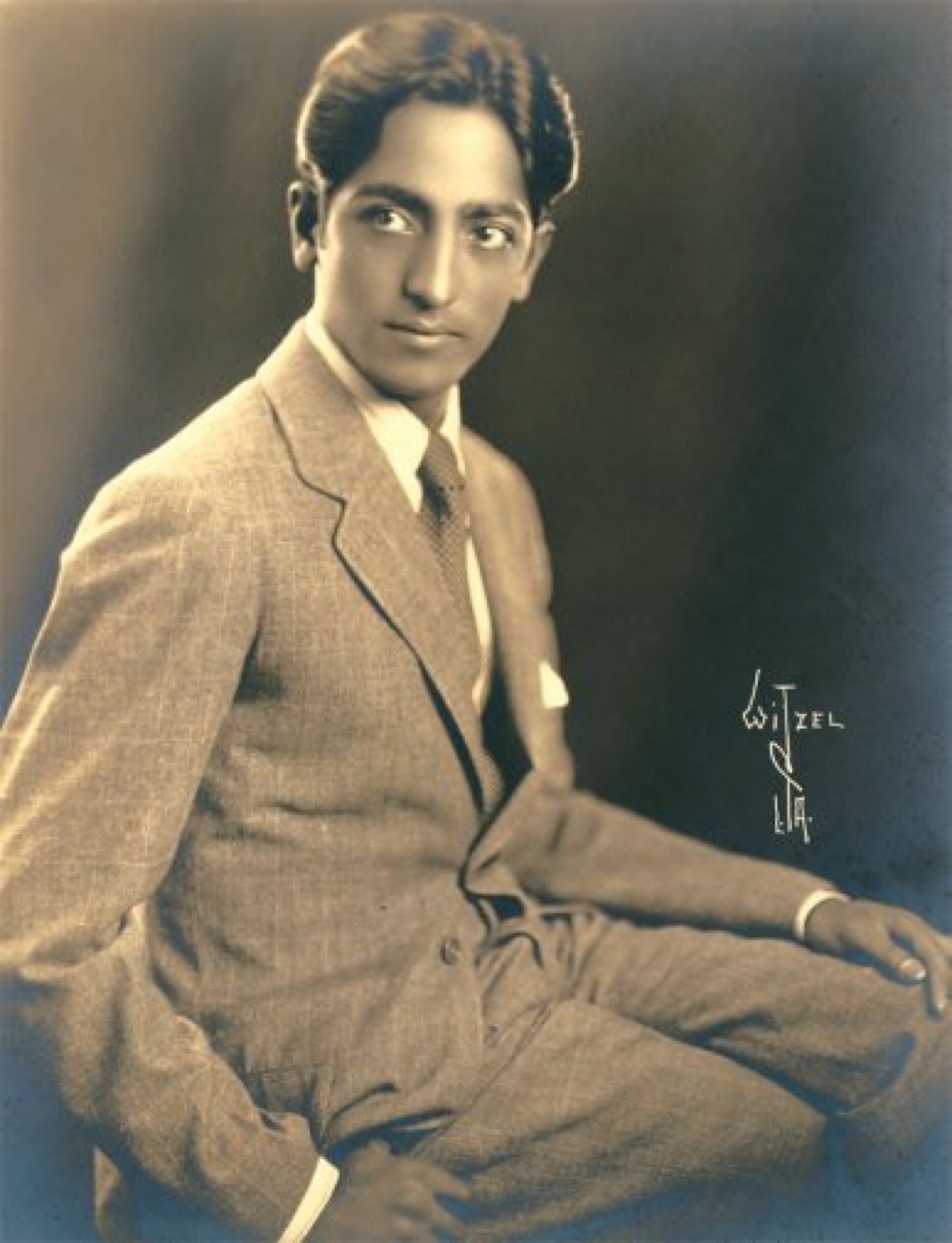
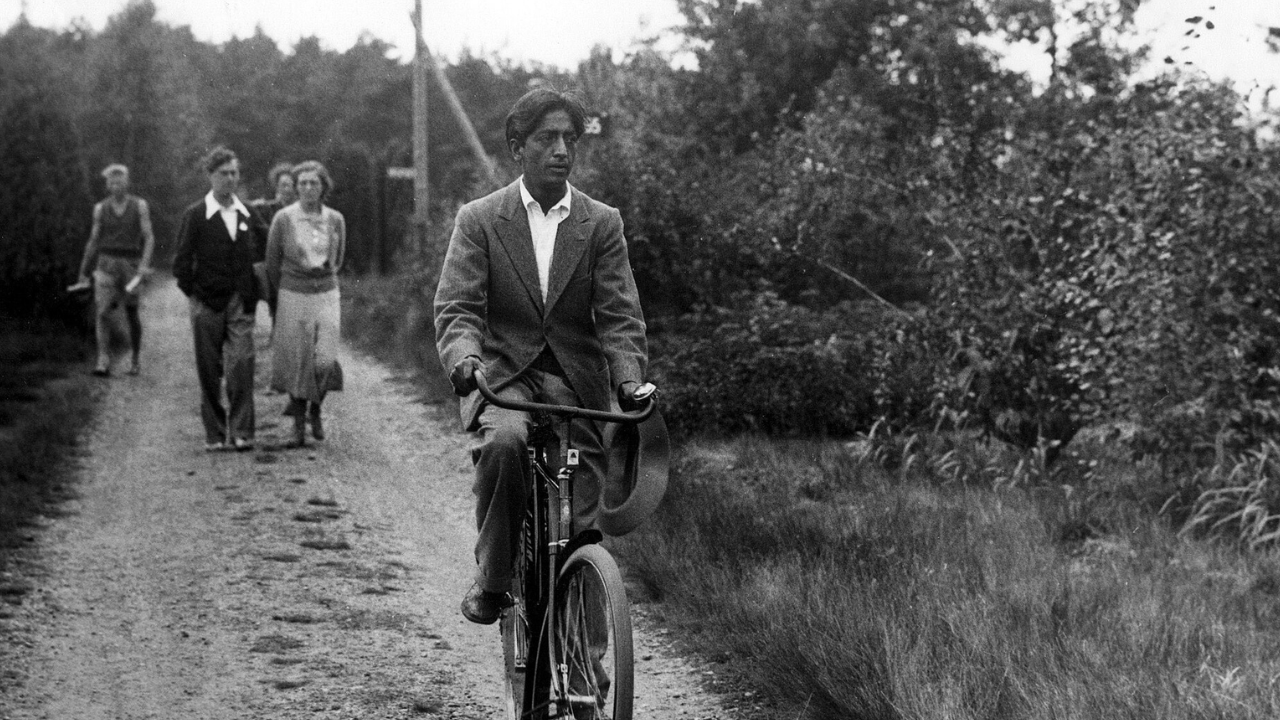
Jiddu Krishnamurti knew the problem from the inside. The Theosophical Society had discovered and groomed him as a future world teacher. They established the Order of the Star in 1911 to prepare the world for his arrival. Little did they know that Jiddu would go on to dissolve the Order of the Star in 1929 before some 3,000 members in the Netherlands. “I maintain that Truth is a pathless land,” he declared.4 For him, the Order was part of the trouble – it had taught people to look to an organisation, and to him, for something they would have to discover themselves. Yet in Poona in 1948, someone still asked whether, despite his objections to gurus, he wasn’t one himself. “I am not a guru, you can make me one, but I do not want to be one,” he replied.5
One of his early followers, Basil Gossage, said Jiddu’s decision to dissolve the Order of the Star had convinced him of the man’s honesty. More than fifty years later, he was still travelling to hear Jiddu speak.6 The refusal was itself part of the appeal.
In an interview in 2004 on CBS’s 60 Minutes, American singer-songwriter Bob Dylan recalled being called a prophet, a saviour. He could imagine becoming a rock-and-roll star like Elvis Presley. But a prophet was another matter. He explicitly rejected those labels. He had once poured whiskey over his head in public, hoping to make himself look disreputable. People continued to hear sermons in songs he maintained were only songs. Dylan thought they hadn’t been listening.7
Baba Dyal Das’ followers might have been persuaded by his religious message, but not enough by his refusal of guruhood. Jiddu’s audiences knew him through the very movement he had dissolved. And charisma doesn’t disappear simply because someone renounces a title. We remember the anti-gurus who drew crowds, and the ones who said ‘follow no one’ and were simply ignored have vanished from the record.
Listening to Jiddu for fifty years needn’t have meant agreeing with him for fifty years. In the essay “The Tyranny of Structurelessness”, American feminist Jo Freeman described how groups within the women’s liberation movement refused to appoint official spokeswomen, only to have the press select its own ‘stars’, women who had no mandate to represent the movement and whom the movement could not remove because it had never appointed them. The anti-guru presents a stranger version of the problem – his followers appoint him without asking, and no one can really say what obligations come with a position he insists he does not hold.8
Another Indian guru, U.G. Krishnamurti, no relation to Jiddu, had spent years looking for enlightenment before deciding that the thing didn’t exist. Then, in his forty-ninth year, came what he called the ‘calamity’, a violent upheaval in his body, accompanied by changes in his senses and pain he described as unbearable. Nothing remotely resembling the bliss he had once sought. In The Mystique of Enlightenment, someone asked whether this extraordinary thing had happened to him. “It happened to me,” he replied. Not exactly an answer calculated to discourage seekers. U.G. insisted that no amount of effort or spiritual practice could bring about what had happened to him, and invited readers to distort his words, garble them, even pass them off as their own. His conversations found their way into books anyway.9
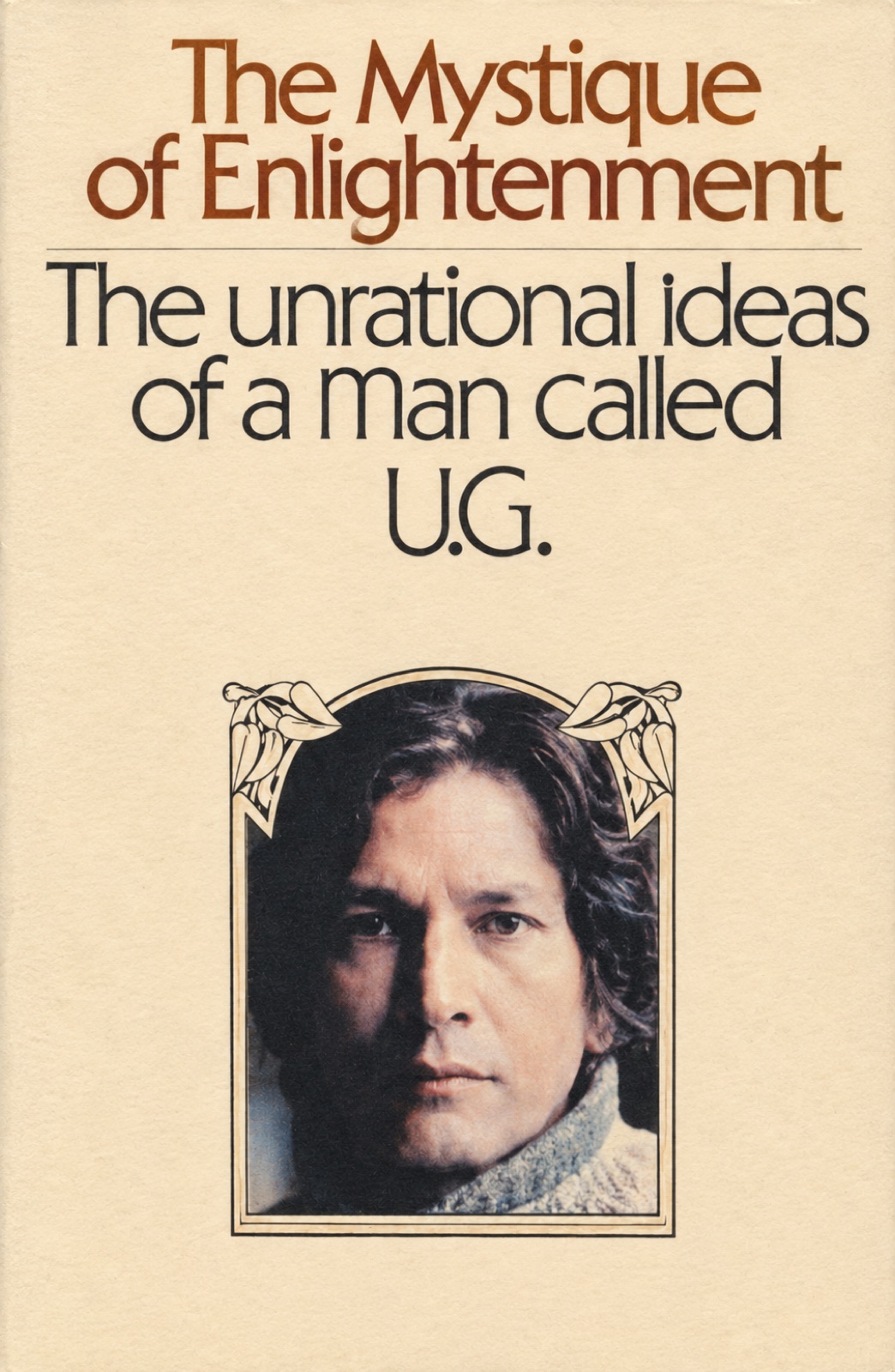
By the time of No Way Out, U.G. was trying to get rid of the people who came to talk. “I don’t want seekers,” he said; anyone who had already found what they were looking for wouldn’t need him. He would end a gathering with “Nice meeting you all,” and nobody would move. Sometimes he walked out himself, leaving his visitors to spend hours discussing what he’d said, what he hadn’t said, or what they thought he’d said. U.G. acknowledged that receiving them only helped perpetuate the illusion that they might gain something from him. Some had been visiting for years and admitted that they hadn’t quite abandoned the hope. He called a few of his regulars his ‘Enemies Number One, Two, Three, Four, Five’.10
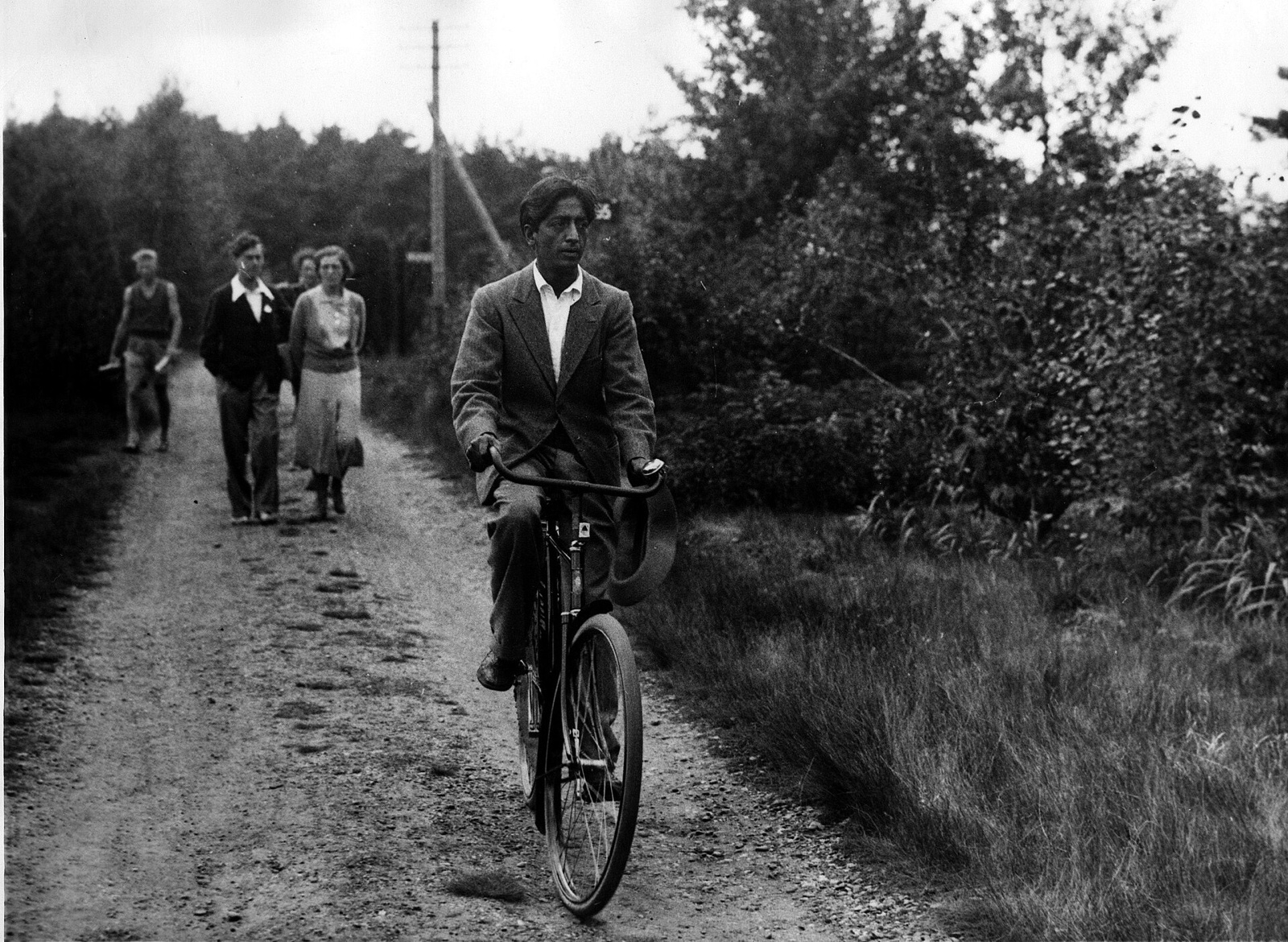
But if the disciple is responsible for choosing his guru, how is he supposed to know whom to choose? How is someone who has never experienced enlightenment supposed to recognise it in another person? Or, as Jiddu once asked, “How can a confused man know clarity?” A patient can examine a surgeon’s qualifications, ask about previous operations or seek a second opinion; the seeker has no comparable test of enlightenment and may never discover that he chose badly. What would count as evidence that a man who claims to understand the nature of consciousness understands nothing of the sort?
Jiddu rejected prescribed spiritual practices, but he kept asking his audiences to observe their own thoughts, fears and reactions. The philosopher Iddo Landau takes issue with his rejection of spiritual techniques. Even if meditation cannot guarantee enlightenment, why must it follow that meditation is useless, or worse, an obstacle to it? And what, exactly, was the difference between following a meditation practice and taking Jiddu’s repeated advice to watch one’s mind?11
Before she began speaking about spiritual matters, Indian social activist Vimala Thakar had spent years walking through India with Vinoba Bhave’s land-gift movement, persuading landowners to part with some of their land. By the early 1960s, she was giving talks of her own. Jiddu had influenced her, though she continued to recommend meditation and sustained attention, describing her gatherings as shared inquiry rather than instruction from a master.12
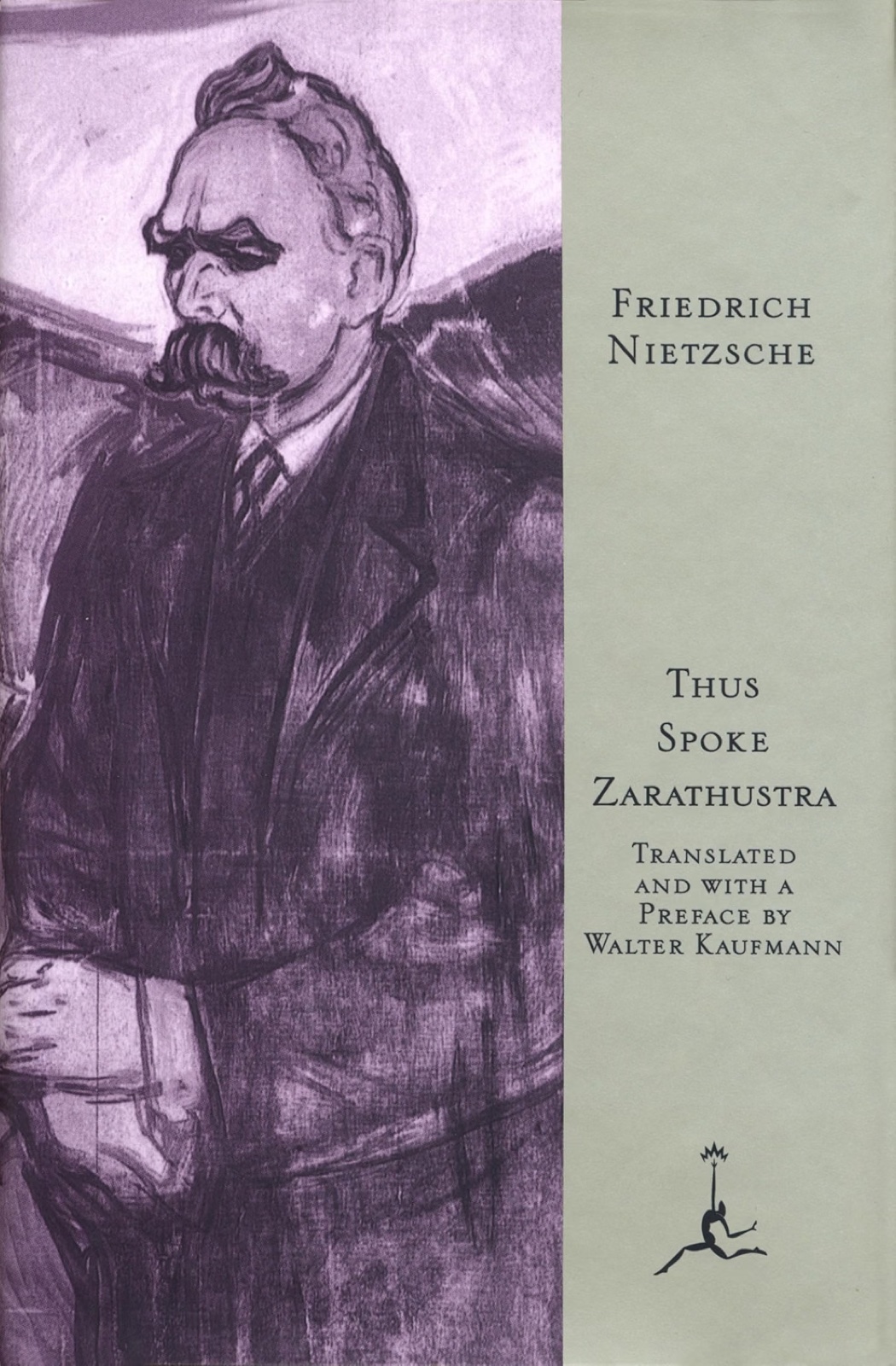
At the end of Part One of Thus Spoke Zarathustra, German philosopher Friedrich Nietzsche’s prophet finds himself at a crossroads with the disciples who have followed him out of town. They offer him a staff with a golden handle, decorated with a serpent coiled around the sun, and Zarathustra is delighted with it. He speaks at length about the virtue of giving before announcing that he wants to travel alone; his disciples should distrust him, perhaps even consider the possibility that he has deceived them. He keeps the staff.13
In the Bhagavata Purana, a wandering avadhuta tells King Yadu that he has learnt from twenty-four gurus, including the earth, the wind, a child, a courtesan and a spider. He doubts that one teacher could give him everything he needs to know. He cites the example of the courtesan Pingala, who spends a night waiting for customers who never arrive, until she finds some relief in abandoning the expectation. The avadhuta takes a lesson from her disappointment, though she hadn’t set out to teach him anything. His spider hadn’t either. He must decide for himself what to make of their behaviour, and the spider certainly isn’t going to correct him if he gets it wrong.14
Thakar had a story about a man who went around the world telling people they didn’t need gurus. His listeners agreed, with one small amendment they kept to themselves – no guru, except you. She called it fear of freedom.15
Russian writer Fyodor Dostoevsky gives this fear a much more elaborate defence in The Brothers Karamazov. In the book, Christ returns to Seville, where the Church promptly arrests him, and an elderly inquisitor comes to his cell to explain why leaving mankind free to choose had been such a terrible idea. Bread, miracles, somebody to obey. People wanted these things, he insisted, not the responsibility of deciding everything for themselves; the Church had relieved them of that responsibility and was doing humanity a service. Christ has nothing to say to this. He kisses the old man, who opens the door and tells him never to return. He hasn’t changed his mind about a thing.16

In Rajat Kapoor’s movie Ankhon Dekhi (2014), Bauji, played by Sanjay Mishra, decides he won’t believe anything he hasn’t experienced himself. An unusual enough decision to get a man laughed at, but after a while his neighbours begin taking him seriously, turning up to listen to him and, worse, doing as he does. Bauji takes up gambling. They take up gambling. If he danced naked, he asks in exasperation, would they do that too? Yes, apparently. He tries explaining that he hasn’t found his own way yet, so what on earth are they doing borrowing it, but they persist until he finally asks them never to come back. One of the devotees is particularly distressed. Bauji may abandon them, he says, but they will never abandon Bauji.17
Linda Zagzebski argues that accepting another person’s intellectual authority need not compromise our autonomy and independence. Sometimes the more sensible exercise of our judgment is to recognise that someone else’s is better informed. Refusing to learn from a teacher merely to preserve our independence would be an odd form of independence. What reason has a disciple to defer, and what would persuade him to stop? If no conceivable evidence could shake his confidence in the guru, the relationship is no longer one of ordinary trust.18
At the dissolution of the Order, Jiddu complained about the reporters. How many followers? How many members? The usual questions. He didn’t know, and didn’t particularly care; if even one person had been set free, he said, that would be enough.19 A reporter could count members, but freedom was another matter. The person who stopped attending his talks might merely have lost interest, while someone who returned every year could have spent much of that time disagreeing with him. How was anybody, Jiddu included, to tell?
Near the end of the Bhagavad Gita, Krishna tells Arjuna to consider everything he has heard and do as he wishes. Then he continues speaking. Arjuna must worship him, become his devotee, surrender to him alone. Several verses later, Krishna asks whether he has understood, whether his confusion has cleared. Arjuna says it has. He has recovered his understanding, thanks to Krishna’s grace, and has no doubts left. “I shall follow your instruction.”20
works discussed
-
Khushwant Singh, “When Godman Dadaji Traumatised Khushwant Singh,” National Herald, excerpt from Extraordinary Indians: A Book of Profiles, ed. Mala Dayal (Aleph Book Company, 2017). ↩
-
Jacob Copeman and Aya Ikegame, “Guru Logics,” HAU: Journal of Ethnographic Theory 2, no. 1 (2012). ↩
-
“Nirankaris,” The Encyclopaedia of Sikhism, Punjabi University, Patiala. ↩
-
Jiddu Krishnamurti, “Dissolution of the Order of the Star,” speech delivered at Ommen, Netherlands, 3 August 1929, Krishnamurti Foundation Trust. ↩
-
Jiddu Krishnamurti, “Public Talk 6, Poona, 3 October 1948,” Krishnamurti Foundation Trust. ↩
-
Basil Gossage, “Interview, Brockwood Park, 10 September 1985,” Krishnamurti Foundation Trust. ↩
-
Bob Dylan, interview with Ed Bradley, “Bob Dylan Gives Rare Interview,” 60 Minutes, CBS News, December 2004. ↩
-
Jo Freeman, “The Tyranny of Structurelessness,” The Second Wave 2, no. 1 (1972), especially “The Star System.” ↩
-
U. G. Krishnamurti, The Mystique of Enlightenment, ed. Rodney Arms, introductory statement and Part One. ↩
-
U. G. Krishnamurti, No Way Out, Chapter 7. ↩
-
Iddo Landau, “Krishnamurti’s Insistence on Pathless Enlightenment: A Critique,” Journal of Indian Philosophy and Religion 24 (2019). ↩
-
Barbara Gates, “To Live Is To Be Related: Conversations with Vimala Thakar,” Inquiring Mind. ↩
-
Friedrich Nietzsche, Thus Spoke Zarathustra, Part I, “On the Bestowing Virtue” (1883), trans. Thomas Common. ↩
-
Bhagavata Purana, Book XI, Chapters 7–8 (the avadhuta’s twenty-four teachers and the story of Pingala), translated by G. V. Tagare, Motilal Banarsidass. ↩
-
Vimala Thakar, Life as Teacher, p. 93. ↩
-
Fyodor Dostoevsky, The Brothers Karamazov (1880), Book V, Chapter 5, “The Grand Inquisitor,” trans. Constance Garnett. ↩
-
Rajat Kapoor, writer and director, Ankhon Dekhi (2014). ↩
-
Linda Trinkaus Zagzebski, Epistemic Authority: A Theory of Trust, Authority, and Autonomy in Belief (Oxford University Press, 2012). ↩
-
Jiddu Krishnamurti, “Dissolution of the Order of the Star,” 3 August 1929, cited in note 4. ↩
-
Bhagavad Gita, 18.63–73. English translation by Swami Gambhirananda, in IIT Kanpur’s comparative edition. ↩